Ema Ryan Yamazaki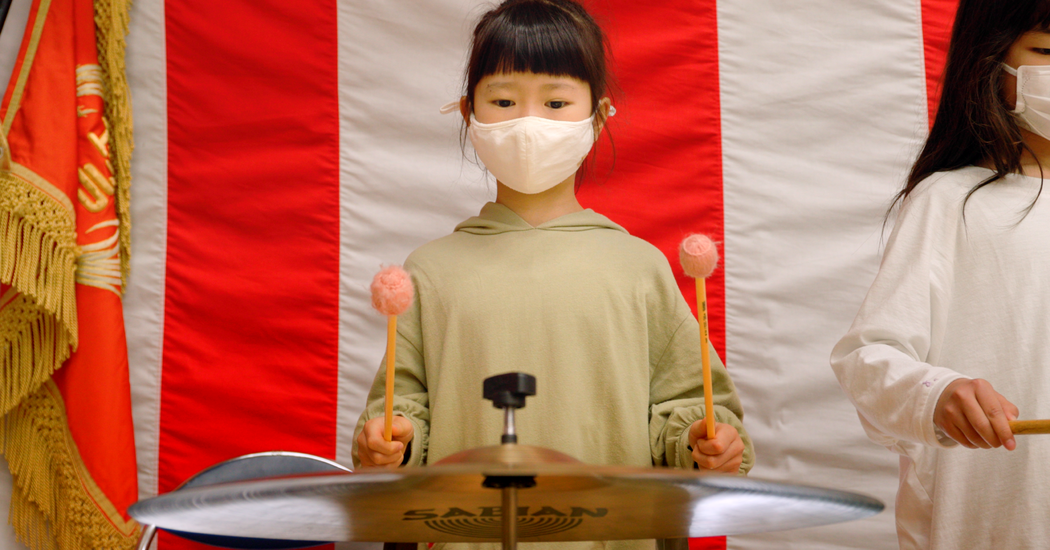
Update: This documentary short is nominated for the 97th Academy Awards.
What makes Japanese people distinctively Japanese? For me, the key lies in what we are taught during our elementary school years.
Children as young as 6 are given the responsibility to clean their own classrooms and serve one another lunch. Schools are structured like mini societies, where everyone has a role and is expected to contribute to the community. There’s a strong focus on nonacademic education intended to teach teamwork, work ethic and a sense of accomplishment.
Growing up in Japan as the child of a Japanese mother and a British father, I struggled with my identity. It was only years later when I was living abroad that I came to appreciate the values and work ethic instilled in me by my elementary school education; they are so normalized in Japan that their worth is underappreciated. These traits also contribute to why Japanese society works the way it does: Our trains run on time because we are taught to prioritize harmony and consideration for others; on the other hand, we live under a collective pressure to conform and not bring shame upon our community.
In the short documentary above, “Instruments of a Beating Heart,” filmed in 2022, first graders at a Tokyo public school are presented with a challenge for their final semester: to form an orchestra and perform at a school ceremony. As the children are taught to “make your hearts as one” and rigorously rehearse, we see both the pressures and the wonders of being held responsible to a group. The character-building traditions in Japanese education are experienced through Ayame, who, in the face of newfound challenges, learns to be resilient. I believe the experience of overcoming obstacles, as Ayame does, is crucial to education. But where should the balance lie between discipline and freedom?
What is happening in our schools will shape what our future society will look like. While the Japanese system has its strengths and weaknesses, I hope this film provides the opportunity for other societies around the world to hold a mirror to their educational systems and to reflect on how they want to raise the next generation.